Tuesday, May 21, 2013

The Watsons Go to Birmingham - 1963, Chapter 8

Kenny mentions "a new hood thing." He's talking about the hood ornament that's on the front of a car, right in the middle. They used to be pretty fancy. Here's a collection of what Plymouth hood ornaments looked like when the Brown Bomber was made in 1948. It's a little hard to see the wings. Maybe one wing has already been "scientifically and mathmatically" removed.


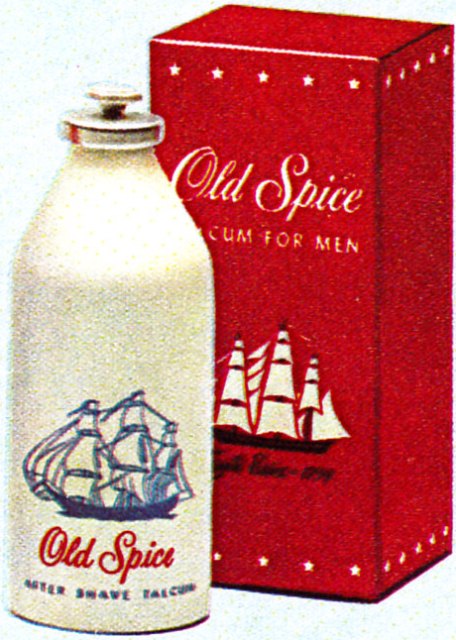
Not many men use a shaving brush anymore, let alone twice before shaving like Kenny's dad, but this is what Dad would have used to apply his shaving soap. Next to it is a bottle of Old Spice after shave. This bottle was the style used in 1963.


Kenny's dad was gone a pretty long time if he missed all shows Kenny watched. He mentions Felix the Cat, Soupy Sales, Beany and Cecil, The Rae Deane Show, and Betty Boop. Then he says the worst cartoon ever made was Clutch Cargo. Here's a clip. You decide if Kenny is right.


This one was actually mentioned at the very end of chapter 7. It says "Dad brought home the TT AB-700 in the Brown Bomber." The TrueTone AB-700 would have been similar to this item.


So, who knows how records play music? Let's work backward. Now songs are digital downloads. Before that there were CDs. Continuing backward in music technology, there were cassette tapes, 8-track tapes, and then these relics called records. A needle rested on a record, the record spun slowly, and gravity held the needle in place. The needle sensed bumps and marks in the grooves of the record and transferred those bumps to sound. However, this could happen, especially if the player was bumped. Hmmm . . . why might a car not be the best place for a record player?


Kenny jokes about Walter Cronkite talking about something on the news. In the days before instant information via the Internet, 24 hour news channels, and Twitter, most Americans got their news from two places. Newspapers and the evening news. Walter Cronkite was the nightly news anchor for the CBS evening news from 1962-1981.


Momma's song:


Kenny's song:


Monday, May 20, 2013

The Watsons Go to Birmingham - 1963, Chapter 7

Two of the following people are mentioned by name in chapter 7, and one person is not. Their names aren't really as important as their hairstyles. (I like one of them much more than the others. Just saying.)

The first person is a famous singer from the 50's and 60's named James Brown. The second is a man named Yul Brynner, famous for his lead role in The King and I. The final image is Bozo the Clown.


Once again, Indians circling the wagons. Where's Byron? Where's Momma?


Kenny pretends he's holding a bugle to play what he calls the "Day is Done . . ." song that's played at funerals. The song is more commonly known as "Taps."


If you've ever studied wolves, you know that there is one wolf in every pack known as the Alpha. He's the leader. There are sometimes challenges to the Alpha by other wolves in the pack, but the biggest and strongest usually ends up being the leader. 

So what happens if a Chihuahua wants to challenge the Alpha wolf? What if "Every Chihuahua in America Lines Up to Take a Bite Out of" the Alpha wolf? 

vs.


The Watsons Go to Birmingham - 1963, Chapter 6

Byron asks Momma if she's gonna embarrass him like a "blanged peon." Later in the chapter Byron gives Kenny his own personal definition, but just in case his is . . . not quite accurate, shall we say? . . . maybe this on will help. (Byron would be using definition #3.)

peon1
n
1. a Spanish-American farm labourer or unskilled worker
2. (Historical Terms) (formerly in Spanish America) a debtor compelled to work off his debts
3. any very poor person

Now that Byron is convinced he is a peon, he complains about welfare food, specifically powdered milk and a big block of cheese. Welfare is is not an official name, but it is a term used to describe a United States program started during the Great Depression to provide for families who, for various reasons, are not able to provide for themselves. (Remember what you know about the Great Depression. Why might people have needed help?) One way aid was given was with food.

Powdered milk is created through a process that evaporates the liquid from milk leaving a powder. Water is then added to the powder to make milk. (Powdered milk is a big part of baby formula.)


Cheese was provided in large blocks, but not quite the forty pound loaf Byron mentions.


Swedish Cremes. Two words: Yum. Yum.


Kenny and Byron see a bird sitting on a telephone wire. It's described as "about the size of a pigeon and was grayish brown with a long pointy tail hanging underneath it." Byron says, "That's a mourning dove, they're the coolest birds in the world, don't nothing shake them up!" 


Finally, Kenny says that if a genie gave him three wishes, he "wouldn't mind using all three of them to wish some real bad stuff on [Byron]." And not stupid things like the fairy tale lady who wished her husband had a sausage on his nose. I didn't know, but that's an actual story, although the husband is the one who wishes the sausage onto his wife's nose.


Friday, May 17, 2013

The Watsons Go to Birmingham - 1963, Chapter 5

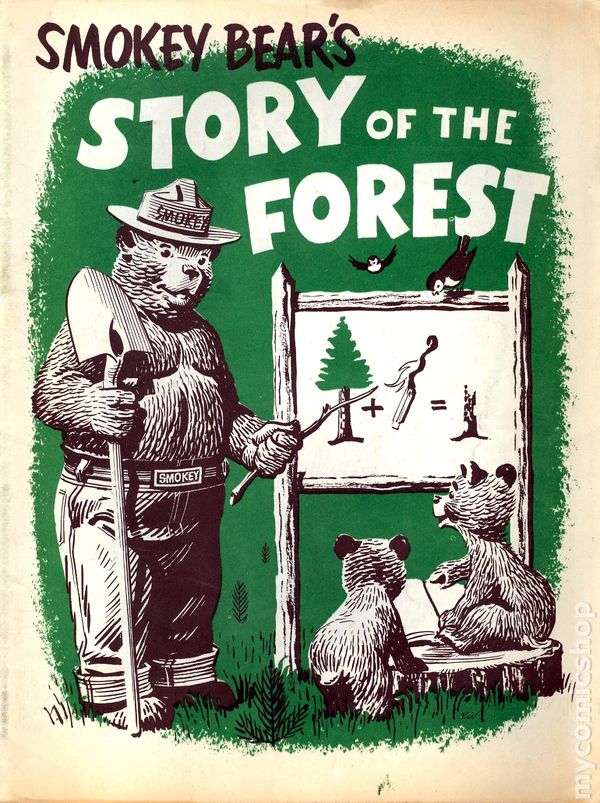
Momma tells the story about how her house caught on fire when she was a kid and for two years after that she and her brothers had to wear clothes that smelled like smoke. Byron and Kenny call it her Smokey the Bear story. Smokey the Bear is a character created by the United States Forest Service to help teach kids about wild fires, and he's been around a while. The Watsons may have see this commercial from 1963, and since Kenny talks about reading comics a lot, maybe he read this Smokey the Bear comic.


Kenny compares Momma to Eliot Ness, the cop in the TV show The Untouchables. The show ran from 1959 through 1963, so Kenny and the family would have certainly been familiar with the show. It was about police officers in the 1930's battling organized crime (like old-time gangsters Al Capone or John Dillinger) in Chicago.


When Momma shows up with the following items, Joetta know she's serious this time. (Byron takes a bit longer to figure it out.)


At the beginning of the chapter, Momma says, "I swear that with God as my witness!" Later, she reminds Joetta that she swore to God. First of all, let's be clear. In this case swearing is not the same as cursing. Swearing is to make a promise or take an oath. Cursing is using bad language.

This kind of swearing is a big deal. In the United States, when someone goes to court, they have to put their hand on a Bible and "swear to tell the truth, the whole truth, and nothing but the truth." Lying after taking that oath in court is called perjury, and it's a serious crime. To a religious person, like Momma and Joetta, swearing before God is even a bigger deal based on their religious beliefs.

Other people swear an oath too, like the president in the oath of office saying, “I do solemnly swear that I will faithfully execute the Office of President of the United States, and will to the best of my Ability, preserve, protect and defend the Constitution of the United States." This is President John F. Kennedy taking that oath of office. He was president in 1963.


Wednesday, May 15, 2013

The Watsons Go to Birmingham - 1963, Chapter 4

Now we live in Wisconsin, so we understand about being bundled up in winter clothes. And I know (because I was a kid once too) how kids argue with Mom about how many items of winter clothing is actually needed. Am I the only one whose mother ever said, "I'm a bit chilly this morning. You'd better put on an extra sweater."? The kids below have been dressed up for winter. How are they the same or different than Kenny and Joetta?


Kenny says that Byron was slowly walking around him in circles which meant Kenny had to keep turning in order to give Byron his non-cross-eyed sideways look. Kenny said it "must have looked like we were in the Wild West and I was a wagon train and Byron was the Indians circling, waiting to attack." Maybe he was thinking of something like this:


On the other hand, most of the time when I think of wagons in the old west, it was the wagons that did the circling in order to protect the travelers. Do you think Kenny had them mixed up?


Byron tells Kenny and Joetta all about how the cold affects people, especially people from the south like their mother and kids like them whose blood is half southern. His story has something to do with a garbage truck like this one. See the big door on the back, big enough for . . . ?


These are definitely some nice looking, warm gloves. Momma must have been really worried about her kids becoming "Froze-Up Southern Folks."


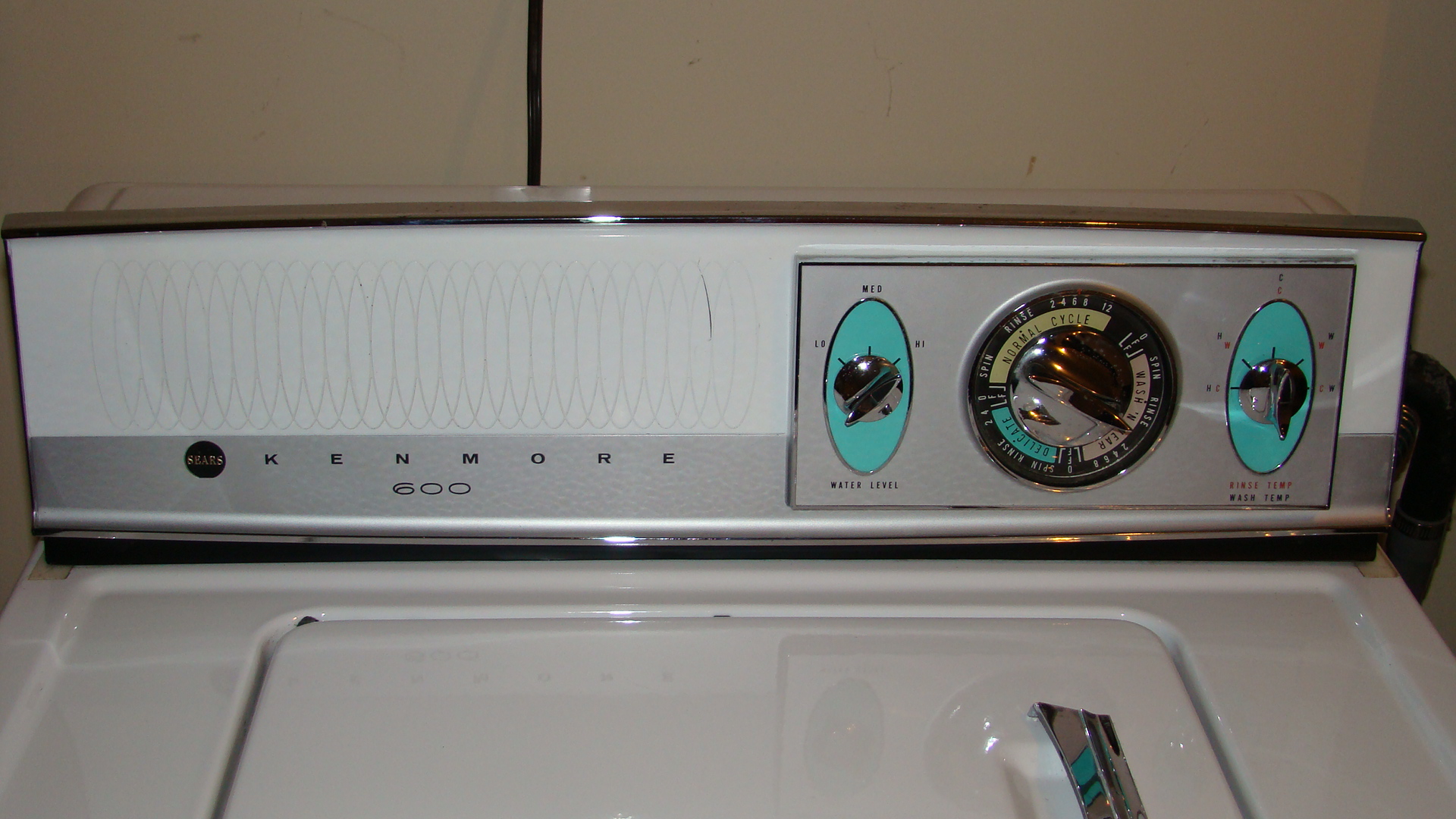
Zoom in on this 1960's washing machine. (It's not a Maytag. It's a Kenmore brand, but you should get the idea of what Larry Dunn was doing.) It might take a while for Larry Dunn to go through all the wash cycles in one of his Maytag Washes. Now imagine what a Super Maytag Wash might be like.


Tuesday, May 14, 2013

The Watsons Go to Birmingham - 1963, Chapter 3

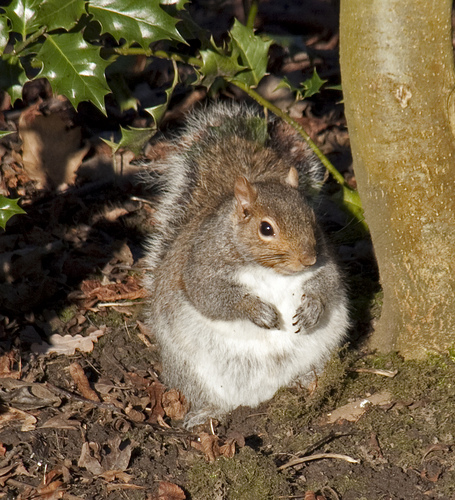
Rufus is amazed at the size of the squirrel he sees when he and Kenny are eating lunch. He figures any squirrel that big must be stupid. In Arkansas all the squirrels that size would have already been made into stew. What do you think? Which of these squirrels would Rufus see around your school?


OR

Early October Images - Deb's Garden - Deb's Garden Blog

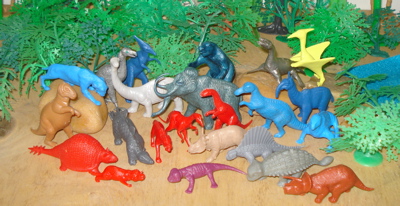
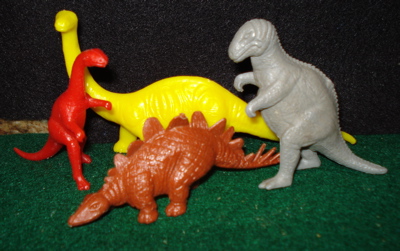
One of Kenny's favorite toys is his collection of plastic dinosaurs - a pillowcase full of them! It doesn't say exactly what they looked like, but these are probably pretty close.


Finally, Larry Dunn keeps calling Rufus "Country Corn Flake" and his brother "Little Flake." Now, I'm not sure this is where it came from, but this commercial is from the 1960's. Might city kid, a bully, use a commercial like this to make fun of someone from the country?


Monday, May 13, 2013

The Watsons Go to Birmingham - 1963, Chapter 2

Chapter 2 is entitled "Give My Regards to Clark, Poindexter" and refers to Byron, Kenny, and Joey's elementary school. Clark Elementary School is still in Flint but has been abandoned and is no longer in use.  If you are interested in owning a piece of children's literature history, the building is for sale.


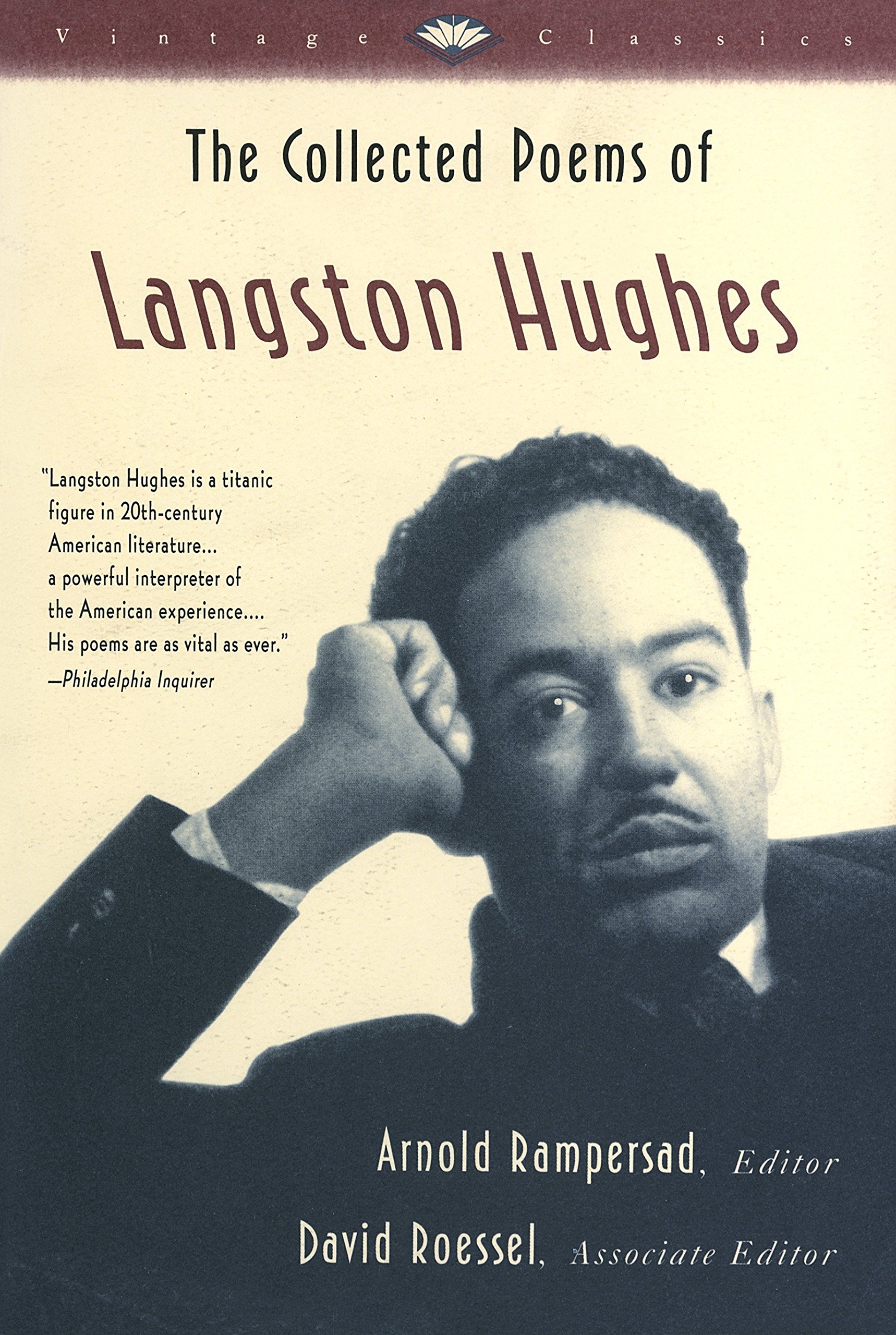
When the teachers ask Kenny to read, he reads from a book by Langston Hughes. Hughes was a famous African-American poet. Knowing that Kenny was reading poetry to the older students might help us understand why slowing down would be a better way for Kenny to read.

Amazon.com: The Collected Poems of Langston Hughes (Vintage Classics)  (9780679764083): Hughes, Langston, Rampersad, Arnold: Books

Comic books have always come with amazing products advertised in the back pages. Readers willing to believe the ads, and part with their hard earned $1.25, could purchase ways to get stronger, x-ray glasses, Sea Monkeys, and an entire fleet of battleships! (See some examples here.) Kenny says he's ordering a book called Learn Karate in Three Weeks! Maybe the ad was something like this one.

Comic Book Martial Arts Ads

Friday, May 10, 2013

The Watsons Go to Birmingham - 1963, Chapter 1

The Watsons might be going to Birmingham, as the title suggests, but they live in Flint, Michigan. You're Wisconsin kids. You know what winters can be like here. Why would winters be similar in Flint?


When Dad imitates Hambone Henderson, he says that a movie called Nanook of the North was filmed in Flint, Mitch-again. Was it really? Nanook of the North is a real movie filmed in 1922. Take a look at this clip. What was Hambone trying to tell Wilona?


After Dad's creative impression of Hambone  Henderson, Momma says that "Birmingham is a good place, and I don't mean just the weather either. The life is slower, the people are friendlier--" but Dad interrupts with a comment about the 'Coloreds Only' bathrooms there. What is that all about? Keep that in the back of your mind as we continue reading.

Dallas 'Whites Only' Water Foundation Shares Civil Rights Story
This isn't a bathroom, but the picture still helps us understand what Dad is talking about.

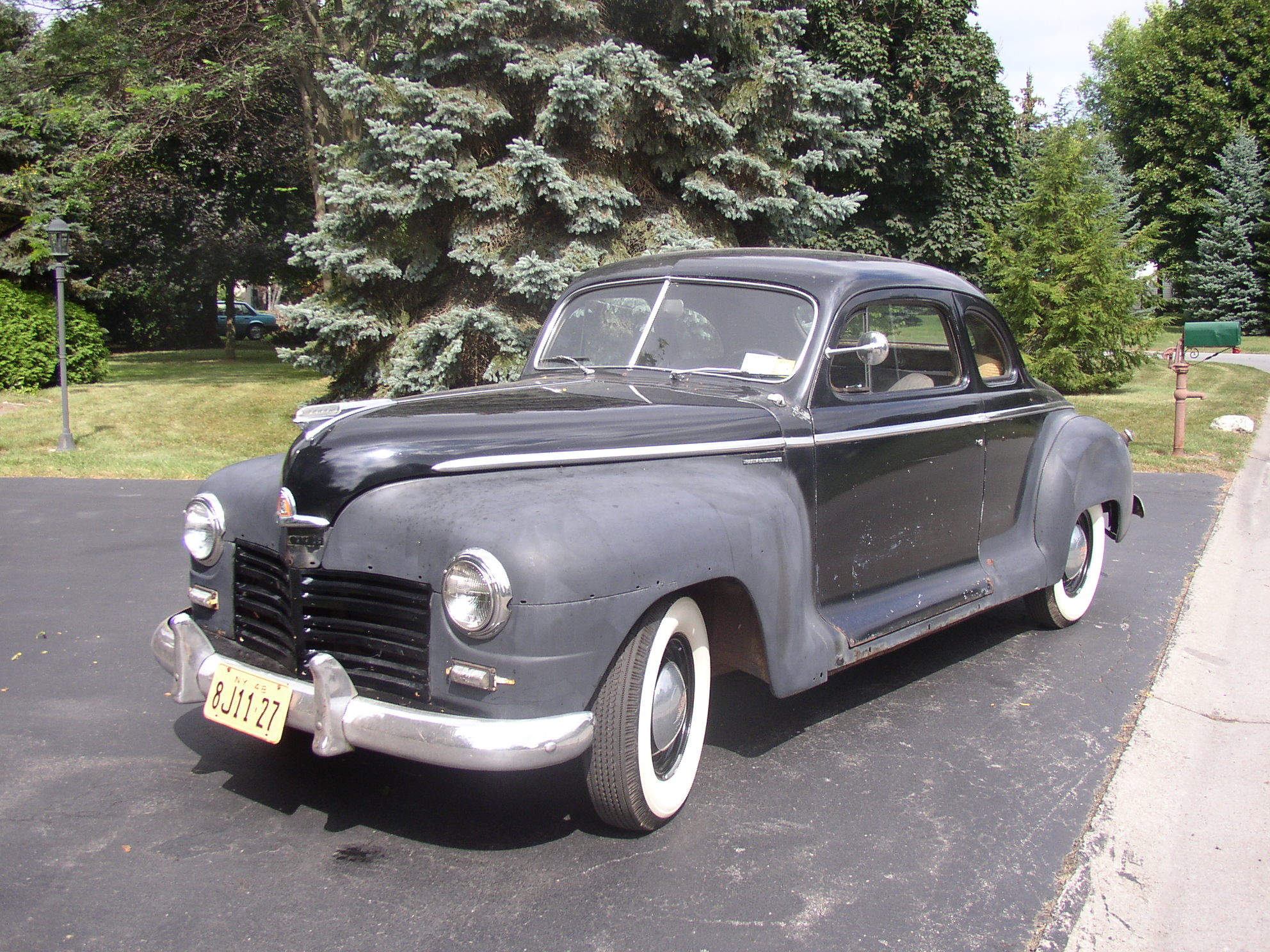
Finally, we are introduced to the Brown Bomber, a 1948 Plymouth that Dad got from Uncle Bud. Take a look at this picture and compare it to the description in the book and the events that happen around the car. (Sorry, but I couldn't find a good image of a brown one.)


Monday, April 22, 2013

Casey at the Bat

Here is a classic cartoon version of Casey at the Bat. As you watch, look back at the original poem. Think about  how the author's description is shown in the cartoon. What is the same? What is different? How does seeing this "performance" help your understanding as a reader?


Here is another version of Casey at the Bat. It is only audio, but even so, hearing it read aloud can help your understanding as a reader. Why is that? You also heard Mr. W. read the poem out loud. Does hearing a different person read it aloud make a difference? How? Why? Why not?

Monday, January 14, 2013

The One and Only Ivan by Katherine Applegate

As we read The One and Only Ivan, keep a close eye on the chapter titles. Most chapters are quite short. How does each chapter title, sometimes only a word or two, prepare readers for that chapter? Is it a clue to what is to come? Is it descriptive? Does it give anything away?

Think about the chapter title after reading each chapter as well. Do you better understand why the author chose that title? Does is make better sense? Are you curious why that title was chosen?

Finally, after finishing the book, does looking back at the chapter titles help you recall the story's events? Do some titles take you back to certain parts? Certain emotions? Certain reactions?

(In the book the chapters are not numbered. They are numbered here to help us find where we left off each day and to help locate certain ones in class discussions.)

The One and Only Ivan - Chapter Titles
  1. hello
  2. names
  3. patience
  4. how I look
  5. the exit 8 big top mall and video arcade
  6. the littlest bit top on earth
  7. gone
  8. artists
  9. shapes in clouds
  10. imagination
  11. the loneliest gorilla in the world
  12. tv
  13. the nature show
  14. stella
  15. stella’s trunk
  16. a plan
  17. bob
  18. wild
  19. picasso
  20. three visitors
  21. my visitors return
  22. sorry
  23. julia
  24. drawing bob
  25. bob and julia
  26. mack
  27. not sleepy
  28. the beetle
  29. change
  30. guessing
  31. jambo
  32. lucky
  33. arrival
  34. stella helps
  35. old news
  36. tricks
  37. introductions
  38. stella and ruby
  39. home of the one and only ivan
  40. art lesson
  41. treat
  42. elephant jokes
  43. children
  44. the parking lot
  45. ruby’s story
  46. a hit
  47. worry
  48. the promise
  49. knowing
  50. five men
  51. comfort
  52. crying
  53. the one and only ivan
  54. once upon a time
  55. the grunt
  56. mud
  57. protector
  58. a perfect life
  59. the end
  60. vine
  61. the temporary human
  62. hunger
  63. still life
  64. punishment
  65. babies
  66. beds
  67. my place
  68. nine thousand eight hundred and seventy-six days
  69. a visit
  70. a new beginning
  71. poor mack
  72. colors
  73. a bad dream
  74. the story
  75. how
  76. remembering
  77. what they did
  78. something else to buy
  79. another ivan
  80. days
  81. nights
  82. project
  83. not right
  84. going nowhere
  85. bad guys
  86. ad
  87. imagining
  88. not-tag
  89. one more thing
  90. the seven-o’clock show
  91. twelve
  92. H
  93. nervous
  94. showing julia
  95. more paintings
  96. chest-beating
  97. angry
  98. puzzle pieces
  99. finally
  100. the next morning
  101. mad human
  102. phone call
  103. a star again
  104. the ape artist
  105. interview
  106. the early news
  107. signs on sticks
  108. protestors
  109. check marks
  110. free ruby
  111. new box
  112. training
  113. poking and prodding
  114. no painting
  115. more boxes
  116. good-bye
  117. click
  118. an idea
  119. respect
  120. photo
  121. leaving
  122. good boy
  123. moving
  124. awakening
  125. missing
  126. food
  127. not famous
  128. something in the air
  129. a new tv
  130. the family
  131. excited
  132. what I see
  133. still there
  134. watching
  135. she
  136. door
  137. wondering
  138. ready
  139. outside at last
  140. oops
  141. what it was like
  142. pretending
  143. nest
  144. more tv
  145. it
  146. romance
  147. more about romance
  148. grooming
  149. talk
  150. the top of the hill
  151. the wall
  152. safe
  153. silverback


Monday, December 17, 2012

Snowflake Bentley


Thanks to everyone who came to our annual Bedtime Stories reading night. One of the books we read was Snowflake Bentley by Jacqueline Briggs Martin and illustrated by Mary Azarian.

The book does a great job of telling Snowflake Bentley's story, but it includes only three of his actual snowflake photographs, and those are hidden in the back. Here are some additional photographs of his amazing images. And remember, what makes them even more spectacular is that these pictures were taken between 1885 and 1931, way before any sort of fancy photography equipment like digital cameras.


Wednesday, November 28, 2012

Soccer - Happiness, Heartbreak, and the World Cup

A penalty shootout plays a major role in Keeper by Mal Peet, not only in the games, but in the Keepers instruction to El Gato. Here are two examples of penalty shootouts. Watch for things El Gato mentions. Do the shooters look at the keepers? Who looks more nervous? Who has more pressure? Look at the emotions displayed by shooters and keepers when shots are made, missed, or saved.

Remember, shootouts only come after two 45-minutes periods and two 15-minute overtime periods. That's 2 full hours of soccer. These players are physically and mentally exhausted, playing for the greatest trophy in the world, and they know that there are billions of people watching their every move.

And they are all playing for this:

The World Cup Trophy

The Women's World Cup Trophy


And here is another spectacular shootout, but I was unable to embed the video in this post. But it's worth watching.