Friday, January 12, 2018

Full of Beans Chapter 4

The Casa Marina Hotel was opened in 1920 but had closed by 1934. Here is a picture of what it looked like when it was first completed and a picture of what it looks like today.


I didn't get to an ice cream shop on Duval Steet, but I did make it to a small store that looked a lot like an ice cream shop. Except it didn't sell ice cream. It sold key lime pie. We thought it was hilarious that the store's owner was named Kermit! (No, it's not the same Kermit from the book. We just liked the name, and we loved the pie!)


The Strand Theater building is still on Duval Street, but if you look closely, you'll see that it's not a theater anymore even if it looks like one.


Interestingly, the original Strand Theater burned down on July 6, 1934, the month this story starts. (I found this picture in the Key West Firehouse Museum.) If I had to guess, since the theater is so important to Beans and the book (you'll see in upcoming chapters), Jennifer Holm chose to leave the theater standing for her story.


There are three different fruits mentioned for the cut-up: mango, Spanish lime, and soursop.


Full of Beans Chapter 3

Cuba is an island country in the Caribbean Sea just south of Florida. Havana is the capital city of Cuba and is only 90 miles south of Key West. By comparison, Key West is 130 miles in a straight line to Miami.

The game of marbles was played by placing marbles inside a ring on the ground and players would attempt to shoot their opponent's marbles out of the ring.


Beans says the Keepsies have "every kind of marble imaginable. We had them all: cat's-eyes, aggies, clearies, milkies, steelies, glassies, onionskins." Here's what some of those types of marbles look like. 


Too Bad lives on the corner of Frances and Fleming Streets. Here are the pictures of the houses that are there today. I have no idea if these are the same houses that were standing at that time or if new ones have been built, but which one do you think would have been Too Bad's? (The last two pictures are the same house.)


Full of Beans Chapter 2

Beans says that Key West was "lousy with lanes." Many of those lanes are still there today. Here is Curry Lane today from Francis Street.


Beans describes his house as "shotgun style." A shotgun style house is one and a half stories tall and only one room wide. The rooms are one behind the other on the main floor, so the houses are basically long and skinny. These houses are currently on Curry Lane.


In chapter 2 we first meet the dog that is following Beans and Kermit around. Beans says this dog "had a little body and a roundish head and reminded me of Popeye's girlfriend, Olive Oyl.


The turtle kraals was where sea turtles were stored after they were caught by fishermen. Today there is the Turtle Kraals restaurant and museum as well as this historical marker.


Conch chowder is made from the conch. You can see them poking out of their shells after being caught. 


The main fire alarm bell was located in the cemetery which is in the center of town and also one of the highest points in Key West. The bell was on a tower. The tower is no longer there, but the bell is now kept at the Key West Firehouse Museum


This is what the cemetery looks like today, and judging by the dates on some of these graves, it probably looked a lot like this back in Beans' day.


Everyone in Key West had a fire alarm card like this one. When a fire alarm was sounded, the alarm would ring a series of numbers. The numbers matched a location in Key West so the firefighters would know where to go for the fire. (Can you see the 1-3-4 location? Was Beans right?)

Full of Beans Chapter 1

Beans and Kermit were collecting condensed milk cans for Winky who sold them to Pepe's. Here is Pepe's on Caroline Street, but the original Pepe's was on Duval Street. 


Julius Stone, Jr. drove to Key West in a Ford Model 730 Deluxe V-8 sedan.

Beans says he recognized the car immediately from the newsreels. Newsreels were played before movies, like the previews are today, and showed all the latest news from around the world. Mr. Stone drives the same car that Bonnie and Clyde drove when they robbed banks, and that's how Beans knew about the car. Here's Bonnie and Clyde before they were captured.


Julius Stone, Jr. was a real person in Key West history. We'll learn more about him later in the story. Mr. Stone is the man on the right in the white suite. (No Bermuda shorts!)


Thursday, December 14, 2017

K-1 Characters: David, Olivia, Cat in the Hat, and Lilly


For even more information about these characters and the books they are in, check out the following links:

Tuesday, December 12, 2017

K-1 Characters: Clifford, Max, Big Anthony, and Strega Nona


For more information about Clifford, Max, Big Anthony, and Strega Nona, check out the following links: 

K-1 Characters: Froggy, Biscuit, Arthur, and Pete the Cat


For more information about each character and their books, check out the following links: 

Wednesday, December 6, 2017

Tuesday, April 11, 2017

The One and Only Ivan Information

I planned to use an old post about Ivan for today's lesson, but most of the links are dead. Ah! So here are some updated links to use for your reading today.

Story #1 - Ivan the Gorilla Statue Unveiled

Story #2 - Gorilla in Our Midst

Story #3 - Ivan Dies at 50

Story #4 - The Real Ivan from author Katherine Applegate's website

Monday, February 16, 2015

Communication Today

We're read about a lot of different ways to communicate throughout history, and the first one that was mentioned is still in use today. Writing a letter. When was the last time you wrote a letter? Not an email, not a note left on the kitchen counter, not a secret message passed to your friend in the next desk, but a real, honest letter sent in the mail?

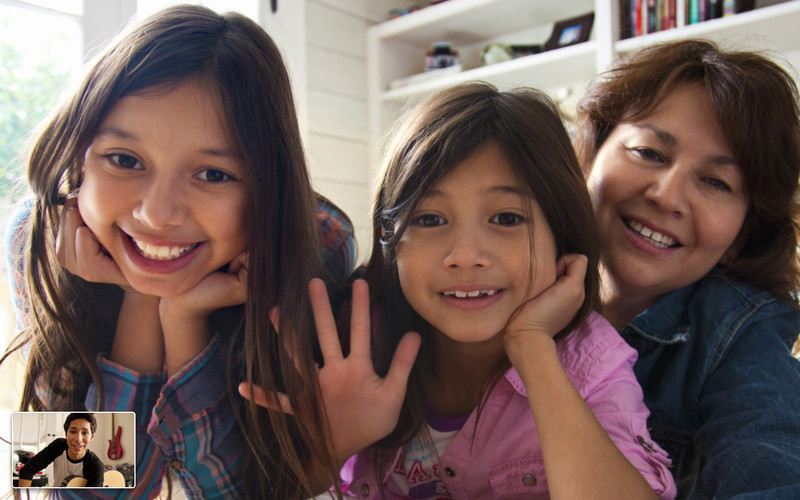
Now we have things like Facetime and Skype that allow us to talk face to face with people who are far away.


We can send texts with our phones.


We can send mail electronically.


But maybe, just maybe, we should write more letters. What do you think?


Thursday, February 12, 2015

Your Parents: 1975

There isn't a lot new in today's reading. It talks about many of the same ways to communicate in 1975 that were used in the past, ways we have already read about, like letters sent in the mail and telephone calls.

One big change is that most people now had a TV and most of those TVs were in color. The first coast-to-coast TV broadcast in the United States was in 1954 and color was used more and more through the 1960s until it became more used than black and white TV. So by 1975 color TV had been used in the United States for over 20 years already.

From what I could find, the following video from 1958 is the oldest color TV broadcast that was recorded. (Sorry it's not a Super Bowl or baseball game or SpongeBob or something more exciting.) You may want to jump ahead to 1:10. Then when it switches to color, imagine people seeing it for the first time being completely amazed.